个人简介
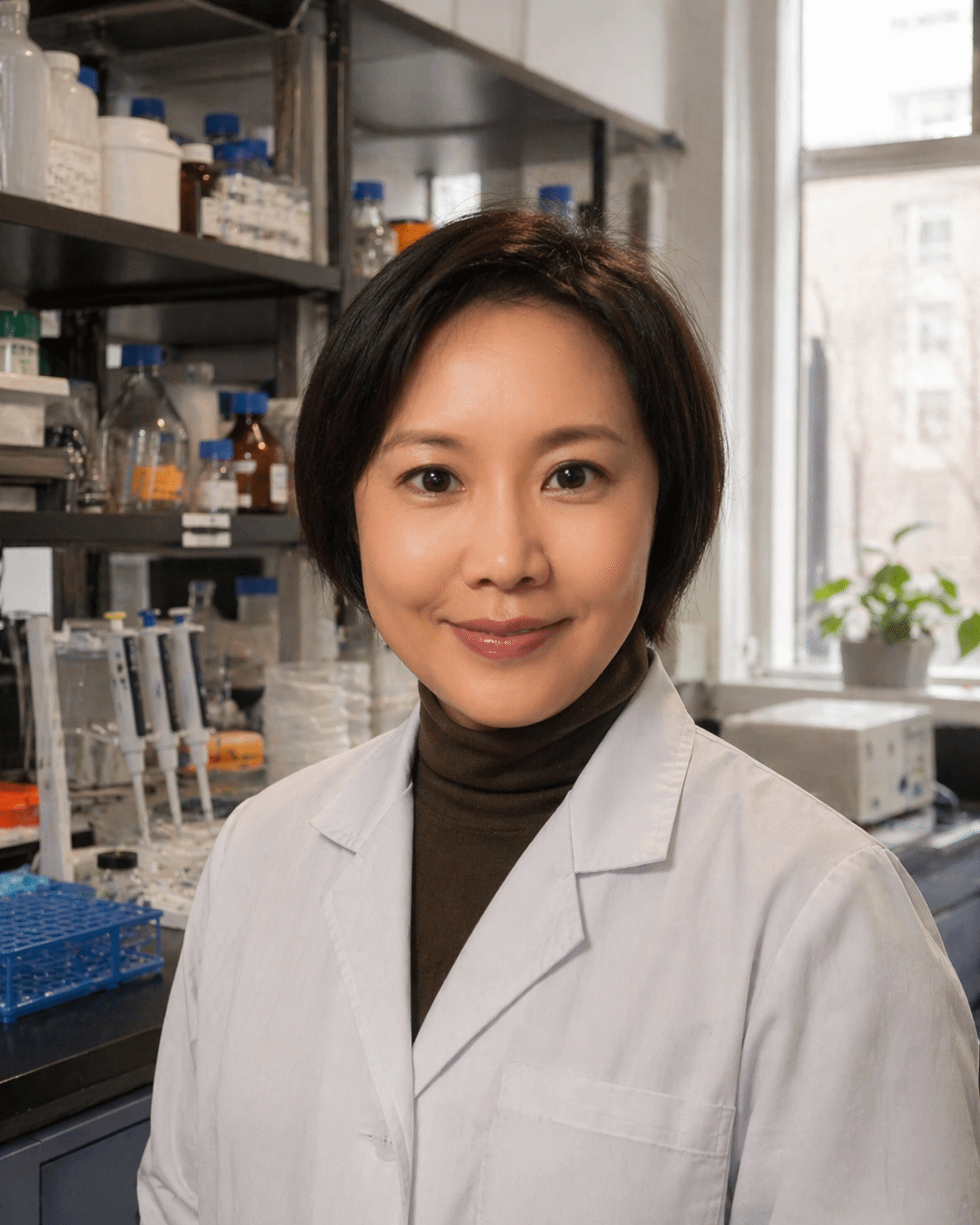
王洁华,博士生导师/硕士生导师。2007.08–至今:天津大学,现任合成生物与生物制造学院教授。2003.05–2005.12:瑞典乌姆植物科学研究中心,博士后。1998.08–2002.12:加拿大 University of Alberta,分子生物学与遗传学,博士学位。1995.09–1998.06:南开大学,细胞生物学,硕士学位。1991.09–1995.06:南开大学,遗传学,学士学位。
研究领域
致力于植物发育分化调控与代谢网络重编程的基础与应用研究,围绕“以植物细胞/组织为底盘”的仿生与精准合成生物学技术路线,构建可工程化的植物细胞工厂与植物—微生物协同体系,实现高价值植物活性物与绿色功能材料的可持续、可放大、可标准化生产。
研究聚焦于:
1) 以模式植物及特色食品/药用植物为对象,发展基因编辑与合成调控元件设计、信号通路—转录网络解析与重构、代谢通路定向改造等关键技术,提升目标产物合成效率与质量一致性;
2) 面向多酚、黄酮、萜类/酮类等天然活性成分的绿色制造与功能评价,建立从细胞/组织诱导、培养扩增到定向代谢调控与提取检测的技术链条,为食品、制药、日化等行业提供更高品质、更安全、更环保的植物活性物原料;
3) 将合成生物学理念延伸至植物—微生物互作与环境响应体系,发展针对VOC、有机污染物与重金属等的绿色修复策略,阐明氧化还原稳态、解毒与环境适应的关键机制,服务于环境暴露风险降低与健康效益提升,形成“细胞底盘—代谢智造—环境健康”一体化的研究方向。
学术成就
1)教学建设:曾获天津大学“教书育人优秀青年教师”称号;承担本科与研究生课程教学,获天津大学教学综合改革、研究生实践教学基地建设、研究生创新人才培养等立项;2017 年依托教师教学能力提升出国研修立项赴 UCLA 开展三个月教学培训。
2)学术兼职:国际林联杨树工作委员会委员;天津市生态学会、植物生理与分子生物学学会、细胞生物学会理事等。
3)科研项目(主持):
2026.01–2029.12:国家自然科学基金面上项目“植菌共生体协同降解室内甲醛/苯系物的氧化还原调控机制”。
2022.01–2025.12:国家自然科学基金面上项目“利用微流控平台在单细胞水平上研究植物初生细胞壁的形态建成与分子调控”。
2019.01–2022.12:国家自然科学基金面上项目“多肽激素与生长素协同调控杨树维管形成层发育的分子机制研究”。
2016.07–2020.12:国家重点研发计划子课题“林木次生生长的分子调控和环境胁迫机制”。
2015.01–2018.12:国家自然科学基金面上项目“BAM介导的 CLE-RLK-WOX 信号通路对杨树维管形成层活性的调控机制研究”。
2013.01–2016.12:国家自然科学基金面上项目“CLE多肽激素调控维管形成层发育及分化的分子机制研究”。
2012.01–2016.12:国家重点基础研究发展规划(973子课题“木材形成的调控机制研究”。
2011.01–2015.12:国家高技术研究发展计划(863子课题“杨树材性相关基因功能鉴定”。
2011.01–2013.12:国家自然科学基金面上项目“与杨树维管系统形态建成及分化相关的 LRR-RLK 基因的分离和功能分析”。
2009.01–2011.12:国家自然科学基金青年项目“毛果杨KTI蛋白酶抑制剂基因家族的分离及其抗病抗虫机制研究”。
代表性文章(近5年)
1) Wang S, Zhang B, Dong H, Dong Y, Wang J*. Heterologous GSNOR expression modulates nitric oxide and glutathione redox to differentially shape plant responses to herbicides. Journal of Hazardous Materials. 2026, 503:141261.
2) Zhang B, Zhang S, Wang S, Dong H, Dong Y, Yang S, Wang J*. Mitigation of microplastic-induced phytotoxicity in poplar micropropagation by multi-walled carbon nanotubes. Journal of Hazardous Materials. 2025, 496:139381.
3) Wang S, Zhang B, Zhang S, Yang S, Lu MZ, Wang J*. The overexpression of E. coli formaldehyde metabolism genes in Arabidopsis conferred varying degrees of resistance to oxidative stress induced by small organic compounds. Journal of Hazardous Materials. 2025, 493:138352.
4) Yang S, Chu Y, Wang C, Liu Z, Wang J*. Brassinosteroid-mediated BraSERKs regulation and antioxidant defense enhancement confer Cd/Zn stress tolerance in Chinese cabbage. Physiologia Plantarum. 2025, 177:e70472.
5) Zhang J, Wang S, Bai Z, Pei J, Yang S, Wang J*. Overexpression of E. coli formaldehyde metabolic genes pleiotropically promotes Arabidopsis thaliana growth by regulating redox homeostasis. Journal of Hazardous Materials. 2025, 488:137324.
6) Zhang S, Wang S, Zhang B, Yang S, Wang J*. Different concentrations of carbon nanotubes promote or inhibit organogenesis of Arabidopsis explants by regulating endogenous hormone homeostasis. Planta. 2025, 261(3):55.
7) Moeen-Ud-Din M, Wang S, Yang S, Wang J*. The combined effects of copper and zinc on Arabidopsis involve differential regulation of chlorophyll synthesis and photosystem function. Plant Physiology and Biochemistry. 2024, 216:109160.
8) Shen X, Zhang J, Zhang T, Wang S, Han Z, Wang J*, Duan X*. Cell integrity maintenance and genetic transfection of protoplasts in an acoustofluidic system. Applied Physics Letters. 2024, 125:033701.
9) Zhang S, Zhang T, Wang S, Han Z, Duan X*, Wang J*. Phenotyping of single plant cells on a microfluidic cytometry platform with fluorescent, mechanical, and electrical modules. Analyst. 2024, 149(17):4436–4442.
10) Zhang T, Zhang S, Yang S, Zhang J*, Wang J*, Teng HH. Arabidopsis seedlings respond differentially to nutrient efficacy of three rock meals by regulating root architecture and endogenous auxin homeostasis. BMC Plant Biology. 2023, 23(1):609.
11) Moeen-Ud-Din M, Yang S, Wang J*. Auxin homeostasis in plant responses to heavy metal stress. Plant Physiology and Biochemistry. 2023, 205:108210.
12) Yang S, Wang C, Li B, Chen H, Wang J*. Removal of Pb2+ from aqueous solution using an MgO nano-hybridized magnetic biochar from spent coffee grounds. Chemical Physics Letters. 2023, 833:140894.
13) Yang S, Yin R, Wang C, Wang J*. Improved efficiency of Sedum lineare in remediation of arsenic-contaminated soil by phosphate-dissolving strain P-1 in association with phosphate rock. Environmental Geochemistry and Health. 2023, 45:8317–8336.
14) Yang H, Chen H, Ni Y, Li J, Cai Y, Wang J*, Liu C*. Mitochondrial genome sequence of Salvia officinalis suggests diverse genome structures in cogeneric species and finds the stop gain of genes through RNA editing events. International Journal of Molecular Sciences. 2023, 24(6):5372.
15) Yang H, Chen H, Ni Y, Li J, Cai Y, Ma B, Yu J, Wang J*, Liu C*. De novo hybrid assembly of the Salvia miltiorrhiza mitochondrial genome provides the first evidence of the multi-chromosomal mitochondrial DNA structure of Salvia species. International Journal of Molecular Sciences. 2022, 23(22):14267.
16) Dai X, Zhang S, Liu S, Qi H, Duan X, Han Z, Wang J*. Functional characterization and phenotyping of protoplasts on a microfluidics-based flow cytometry. Biosensors. 2022, 12(9):688.
17) Qiao L, Zhang T, Yang H, Yang S, Wang J*. Overexpression of a SHORT-ROOT transcriptional factor enhances the auxin mediated formation of adventitious roots and lateral roots in poplar trees. Plant Science. 2022, 323:111408.
18) Wang T, Zhang T, Dai X, Wang W, Wang J*. Control strategies for biofilm control in reclaimed water distribution systems from the perspective of microbial antagonism and electrochemistry. Science of The Total Environment. 2022, 834:155289.
19) Yi M, Yang H, Yang S, Wang J*. Overexpression of SHORT-ROOT2 transcription factor enhances the outgrowth of mature axillary buds in poplar trees. Journal of Experimental Botany. 2022, 73(8):2469–2486.