个人简介
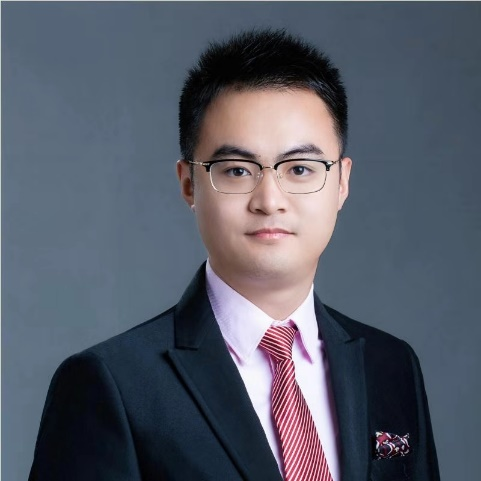
李锋,副教授/博导,天津大学化工学院生物化工系毕业,合成生物学方向
messilifeng@163.com;feng.li@tju.edu.cn
科研方向
(1)微生物电合成/电发酵技术开发:利用半导体合成生物学、基因线路设计方法,设计构建光电控制的智能电能细胞,实现声、光、电、热、磁等多能量场驱动的微生物固碳、固氮产菌体蛋白、生物塑料、生物氮肥、生物燃料等;
(2)高效微生物细胞工厂构建:利用合成生物学、代谢工程、微生物光电催化和人工智能等技术,设计构建微生物细胞及合成微生物生态系统,实现工业三废(固废:废塑料/秸秆/电子垃圾等;液废:养殖/发酵/酿造废水等;气废:工厂尾气等)绿色高值转化。
学术成就
科研学术:目前以一作或通讯(含共同)作者在Joule、Nature Communications(2篇)、Advanced Science(3篇)、Biotechnology Advances (4篇)、ACS Synthetic Biology (5篇)、ACS Sustainable Chemistry & Engineering(2篇)、Chemical Society Reviews,等领域主流期刊上发表SCI论文40篇(IF>10的21篇),申请专利18项。主持合成生物学重点研发计划专项/前沿生物技术专项子课题、国家自然科学基金面上/青年、天津市科技委基金面上/青年、科技委先进技术项目等国家和省部级项目。
学术奖励及兼职:研究成果荣获2018年中石油和化学工业联合会科技进步奖、2021年可持续发展青年创新奖、2024年伦世仪教育基金杰出青年学者等奖项。担任中国化工学会生物化工分会青年委员、中国生物工程学会生物催化专委会委员、《合成生物学》期刊编委,受邀担任The innovation、iMeta、eScience、Green Carbon、Advanced Biotechnology、Engineering Microbiology、BioDesign Research、Transactions of Tianjin University、EcoEnergy、微生物学报、微生物通报、合成生物学等期刊青年编委和编委。荣获2024年《Engineering Microbiology》和《Green Carbon》期刊优秀青年编委。
教学指导:指导本科生获“天津大学优秀本科毕业论文”,2023;研究生获第一届“中国研究生双碳创新与创意大赛”三等奖”,2023;研究生获天津大学第六届“工程硕士实习实践优秀成果”荣誉称号,2023;博士生获“颠覆三十年”比赛获决赛季军,2023;本科生获“中国国际大学生创新大赛银奖”,2023;博士后获“第二届全国博士后创新创业大赛铜奖”,2023;博士生成功申报“天津市研究生科研创新项目(2020YJSB045),2021。
项目案例:
1) 国家自然科学基金委面上项目,NSF22478293,2025-2028,主持。
2) 国家自然科学基金委青年项目,NSF32001034,2020-2023,主持。
3) 国家重点研发计划前沿生物技术专项,2024YFC3407000,2024-2027,子课题负责人
4) 国家重点研发计划合成生物重点研发专项,2018YF0901301,2019-2024,子课题负责人
5) 科技委先进技术项目,XXXXX,2019-2021,主持。
6) 天津市科技局面上项目,24JCYBJC01120,2025-2028,主持。
7) 天津市科技局青年项目,20JCQNJC00830,2020-2022,主持。
8) 呼和浩特市科技计划项目,揭榜挂帅-1社-1,2024-2026,主持。
论著专利:(代表性论文15篇)
1) Feng Li*, et al. Electro-controlled distribution of reducing equivalents to boost isobutanol biosynthesis in microbial electrofermentation of Shewanella oneidensis [J]. Joule, 2025, 9(1):101773.
2) Feng Li, et al. Dynamic synthesis and transport of phenazine-1-carboxylic acid to boost extracellular electron transfer rate [J]. Nature Communications, 2025,16:2882.
3) Feng Li*, et al. Modular engineering to increase intracellular total NAD(H/+) level promotes efficiency of extracellular electron transfer of Shewanella oneidensis [J]. Nature Communications, 2018, 9:3637.
4) Feng Li*, et al. Engineering extracellular electron transfer pathways ofelectroactive microorganisms by synthetic biology for energy andchemicals production [J]. Chemical Society Reviews, 2024, 53, 1375-1446.
5) Feng Li*, et al. Systematic full-cycle engineering microbiabiofilms to boost electricity production in Shewanella oneidensis [J]. Research, 2023, 6:0081.
6) Feng Li, et al. Elongated riboflavin-producing Shewanella oneidensis in a hybrid biofilm boosts extracellular electron transfer [J]. Advanced Science, 2023, 10(9): 2206622.
7) Feng Li*, et al. Engineering Shewanella oneidensis-carbon felt biohybrid electrode decorated with bacterial cellulose aerogel-electropolymerized anthraquinone to boost energy and chemicals production [J]. Advanced Science, 2024, 11(39): 2407599.
8) Feng Li*, et al. Engineered cell elongation promotes extracellular electron transfer of Shewanella oneidensis [J]. Advanced Science, 2024, 11(41): 2403067.
9) Feng Li*, et al. Engineering cell-electrode interfacial electron transfer to boost power generation of electroactive biofilm [J]. Nano Energy,2023, 117, 108931.
10) Feng Li*, et al. Accelerating cell division of Shewanella oneidensis to promote extracellular electron transfer rate for efficient pollution treatment [J]. Chemical Engineering Journal, 2024, 493,152765.
11) Feng Li*, et al. Engineering Shewanella oneidensis to efficiently co-utilize glucose and xylose for converting cellulose hydrolysate from corn stover to electricity [J]. Chemical Engineering Journal, 2025, 505, 159574.
12) Feng Li*, et al. Engineering extracellular electron transfer to promote simultaneous brewing wastewater treatment and chromium reduction [J]. Journal of Hazardous Materials, 2024, 465, 133171.
13) Feng Li*, et al. Engineering whole-cell microbial biosensors: Design principles and applications in monitoring and treatment of heavy metals and organic pollutants [J]. Biotechnology Advances, 2022, 60, 108019.
14) Feng Li, et al. Direct microbial electron uptake as a mechanism for stainless steel corrosion in aerobic environments [J]. Water Research, 2022, 219,118553.
15) Feng Li, et al. Enzyme-assisted microbial electrosynthesis of poly-3-hydroxybutyrate via CO2 bioreduction by engineered Ralstonia eutropha [J]. ACS Catalysis, 2018, 8, 4429-4437.
16) Feng Li*, et al. Engineering artificial three-species microbial consortium to produce high-power bioelectricity from discarded cellulosic biomass [J]. ACS Sustainable Chemistry & Engineering, 2024, 12(50):17992–18003.
17) Feng Li*, et al. Recent advances in enrichment, isolation, and bio-electrochemical activity evaluation of exoelectrogenic microorganisms [J]. Biotechnology Advances, 2023, 66:108175.
18) Feng Li*, et al. Advances in mechanisms and engineering of electroactive biofilms [J]. Biotechnology Advances,2023, 66, 108170.
19) Feng Li, et al. Microbial extracellular electron transfer and strategies for engineering electroactive microorganisms [J].Biotechnology Advances, 2020, 107682.
20) Feng Li*, et al. Engineering Shewanella-reduced graphene oxide aerogel biohybrid to efficiently synthesize Au nanoparticles [J]. Journal of Materials Science & Technology, 2024,168(1):50-61